Why are rigid boxes popular for premium products? The answer begins with touch. A rigid box feels dense, stable, and deliberate when lifted from a retail shelf. Its firm walls protect delicate items while creating a quiet sense of value before the product is opened.
Packaging strategist Paul Jenkins, founder of ThePackHub, describes this broader role clearly: “Packaging is no longer just a container; it is part of the product experience.” That experience includes the lid’s resistance, the smoothness of a paper wrap, and the soft click of a magnetic closure. These details can make a customer pause. They can also strengthen brand recognition through color, texture, structure, and careful finishing.
Still, appearance is not everything. A beautifully made box can feel wasteful if it is oversized, difficult to reuse, or made from poorly considered materials. That tension deserves attention. Premium packaging must protect the product without turning excess into a selling point.
This article explores seven practical reasons rigid boxes remain popular for premium products. It considers presentation, durability, customization, unboxing, perceived value, brand storytelling, and sustainability. Each point connects design choices with real customer expectations. Some benefits are obvious. Others appear only after repeated use.
The strongest box is not always the heaviest one. It is the one that feels appropriate, performs reliably, and leaves a lasting impression without unnecessary complexity.
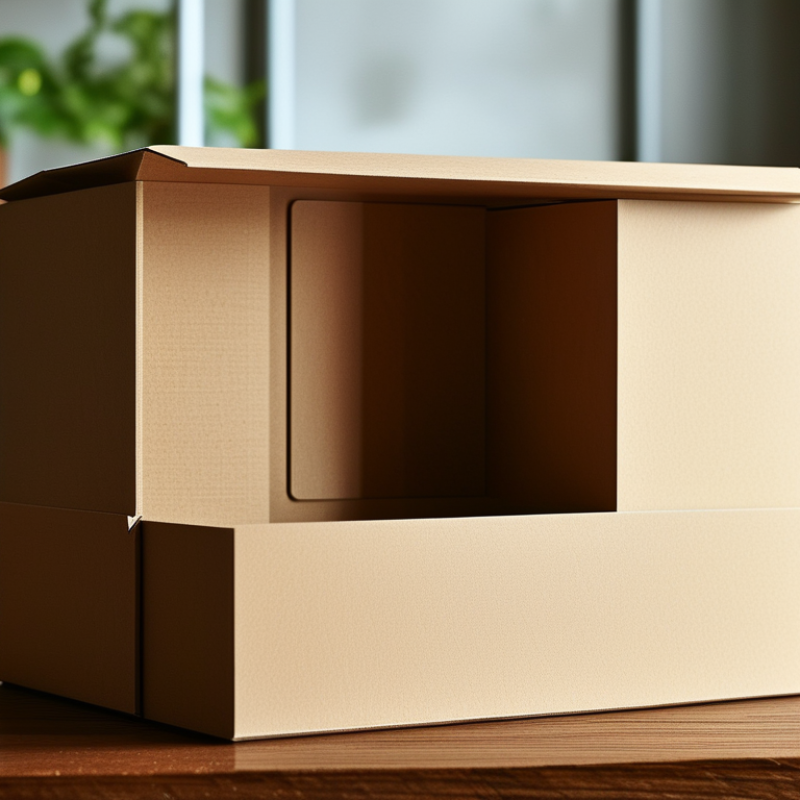
Rigid boxes are premium packaging made from thick paperboard that keeps its shape after assembly.
Unlike folding cartons, they are formed from dense board and wrapped with printed paper, fabric, or textured stock. The lid may lift slowly, exposing the product with a firm, quiet movement. That physical moment matters. It can make a watch, fragrance, gift set, or small electronic device feel carefully protected before use.
Their strength supports premium positioning in several practical ways. A rigid box resists dents during handling and gives products a stable fit with custom inserts. It also offers broad surfaces for precise printing, foil details, embossing, and tactile finishes. These features help communicate quality without relying only on advertising.
The structure can improve shelf presence, protect delicate surfaces, and create a reusable storage case. Good packaging engineers also consider opening force, corner alignment, and material thickness. Small defects remain visible. Poor tolerances can weaken the entire experience.
There is a trade-off. Rigid boxes often cost more, take more storage space, and add shipping weight. They may also use mixed materials that complicate recycling if designers ignore local facilities. In my packaging observations, the best results came from matching the box to the product, not making it unnecessarily heavy. A magnetic closure can feel elegant, but it is not always essential. Sometimes, less is better.
Rigid boxes are popular for premium products because they make value visible before the package opens. Their dense paperboard feels stable in the hand. Sharp edges and precise corners suggest careful manufacturing. A soft-touch coating can create a warm, velvet-like surface. Foil details catch light near the shelf. These cues build a stronger sense of luxury and brand value.
From packaging evaluations, the opening sequence matters as much as appearance. A fitted insert keeps the product centered and prevents movement. A magnetic closure adds a quiet, deliberate pause. Layered wrapping can make the reveal feel considered, not rushed. Consistent color, typography, and spacing also help customers recognize a product family. However, luxury is not created by weight alone. Excessive material may feel wasteful and weaken trust.
The best rigid boxes balance protection, presentation, and practical use. Reusable structures can extend the package’s life on a desk, shelf, or drawer. Clear specifications, durable construction, and responsible material choices support credible quality claims. I have found that small defects become more noticeable on premium packaging. A crooked hinge can undo an otherwise elegant experience. That lesson is easy to overlook. Testing prototypes with real users often reveals awkward openings, loose inserts, or finishes that mark too easily. These imperfections deserve attention before production, because perceived value depends on the details customers can touch.
7 Tips on Why Rigid Boxes Are Popular for Premium Products?
Why Their Structure Provides Better Product Protection
Rigid boxes are built with dense paperboard that resists crushing during storage and delivery. Their firm walls help protect delicate products from pressure, bending, and sudden impact. In packaging evaluations, corner strength often makes a visible difference. Weak corners can collapse first. Reinforced edges distribute force more evenly, reducing damage to the item inside.
The internal structure matters just as much. A fitted insert can hold a product firmly, preventing movement inside the box. This reduces scratches, dents, and friction during transport. Soft foam, molded pulp, or shaped paper supports can create separate protective zones. The correct fit is essential. Too much empty space allows shifting, while excessive pressure may affect the product.
Rigid boxes also provide better stacking stability on shelves and in warehouses. Their flat surfaces help prevent uneven loads from pressing directly onto the contents. Some designs include a lid that closes securely, adding another barrier against dust and moisture. Still, no box is perfect. Rigid packaging can be heavier, and poorly designed inserts may waste space or increase material use. A practical evaluation should include drop testing, compression testing, and humidity exposure before production. Small details matter. A strong box with a loose interior may still fail its purpose.
| No. | Protection Tip | Structural Feature | Product Protection Benefit | Useful Design Data | Relevant Test or Checkpoint |
|---|---|---|---|---|---|
| 1 | Use a rigid outer shell | Thick paperboard panels bonded to a stable structure | Reduces panel bending, corner collapse, and direct contact with the product during handling. | Common rigid-box board caliper: approximately 1.2–3.0 mm, depending on size and construction. | Check panel flatness, corner bonding, and resistance to visible deformation after compression testing. |
| 2 | Add internal cushioning | Die-cut inserts, molded pulp, foam, or folded paperboard supports | Limits product movement and distributes impact forces away from fragile surfaces. | A practical starting clearance for delicate items is often 5–20 mm, subject to product weight and drop-test results. | After testing, confirm that the product remains centered and does not contact the outer wall or lid. |
| 3 | Strengthen corners and edges | Wrapped corners, reinforced folds, and laminated edge construction | Protects the areas most likely to receive concentrated impact during sorting, transport, and stacking. | Use rounded or reinforced corners when the product is sensitive to edge impact or abrasion. | Inspect all eight corners and major edges for crushing, delamination, exposed board, or adhesive failure. |
| 4 | Improve stacking resistance | Box walls and base panels maintain shape under vertical load | Helps prevent crushing when multiple packages are stored or transported in layers. | Calculate the required compression load from package weight, stack height, storage time, and humidity exposure. | Use compression or stacking evaluation based on ISO 12048 or ASTM D642 principles. |
| 5 | Control movement inside the box | Close-fitting trays, neck supports, partitions, and retainers | Prevents vibration, rattling, surface scratches, and repeated impact between components. | A well-designed insert should hold the product securely while allowing removal without excessive force. | Perform a movement check after vibration testing; verify that the product has not shifted or rubbed against the insert. |
| 6 | Manage moisture exposure | Laminated surfaces, protective coatings, and moisture-tolerant inserts | Reduces surface swelling, staining, loss of rigidity, and deterioration of printed finishes. | A common laboratory conditioning atmosphere is 23 ± 2°C and 50 ± 5% relative humidity. | Condition and evaluate packaging according to ISO 2233; compare appearance, fit, and strength before and after exposure. |
| 7 | Validate the complete package system | Rigid box, insert, closure, product, and outer shipping case work together | Confirms that premium appearance is supported by real protection throughout distribution. | Evaluate face, edge, and corner impacts; test sequence should reflect package mass and distribution conditions. | Use applicable procedures such as ASTM D5276, ASTM D4169, or an appropriate ISTA packaged-product protocol. |
Note: Design ranges are common starting points for development, not guaranteed performance values. Final dimensions and materials should be confirmed through product-specific testing.
Rigid boxes create a deliberate opening moment. Their firm walls protect delicate products and make the package feel substantial. Custom sizing prevents movement inside the box, reducing scratches, dents, and unnecessary filler. A precise fit also keeps the product centered when the lid opens. Small details matter. A soft-touch surface can feel calm and refined under the fingertips. Embossed patterns add texture without adding visual noise. Carefully chosen colors can guide attention toward the product, not the packaging itself.
Customer experience begins before the product is touched. A ribbon pull, magnetic closure, or hinged lid can make opening easier and more memorable. Interior inserts should hold each item securely, while leaving enough space for a clean reveal. Printed instructions, care information, and material details improve confidence. Clear information builds trust. Custom design also supports accessibility. Strong contrast, readable text, and manageable closures help more customers use the package comfortably.
A well-designed rigid box should survive real handling, not only studio photography. Packaging teams often test drop resistance, lid alignment, and repeated opening. A beautiful prototype may still feel awkward in a customer’s hands. That problem deserves attention. Excessive layers can look luxurious but create waste and frustration. The best solution balances protection, presentation, production cost, and responsible material choices. Customization works when every feature serves a practical or emotional purpose. Otherwise, decoration becomes expensive clutter.
Rigid boxes perform best where the package must feel like part of the product. Cosmetics, jewelry, premium spirits, confectionery, and consumer electronics often benefit most. Their products rely on presentation, protection, and controlled opening experiences. Grand View Research estimates the global luxury packaging market exceeded US$17 billion in 2023. The figure signals demand, but not automatic success.
Cosmetics remain a strong application. Circana reported that United States prestige beauty sales reached US$31.7 billion in 2023, increasing by 14 percent. A rigid box can protect glass bottles, create precise compartments, and support premium shelf presentation. Jewelry also benefits from fitted inserts and soft-touch surfaces. Small products need memorable handling. That detail matters.
Premium spirits and confectionery use rigid boxes for gifting and seasonal collections. Electronics companies can use them when scratch prevention and organized accessories influence perceived quality. However, rigid packaging is heavier and usually costs more than folding cartons. That assumption needs testing. Packaging engineers should compare damage rates, transport emissions, assembly time, and reuse potential. Smithers’ sustainable packaging research emphasizes material efficiency and end-of-life planning across packaging systems. A beautiful box that quickly becomes waste is a weak premium experience. Source credibility matters too, so teams should verify regional data before making investment decisions.
Which Industries Benefit Most from Premium Rigid Box Packaging?
Premium rigid boxes are especially suitable for cosmetics, fashion accessories, confectionery, spirits, electronics, and gift products because they provide stronger product protection, better shelf presentation, and more space for premium finishing.
The chart compares 2022 packaging recycling rates in the European Union. Paper and cardboard—the main materials used in rigid boxes—recorded an 82.5% recycling rate, supporting their suitability for premium packaging with a stronger circular-economy profile.
: Dense paperboard feels stable in the hand. Sharp corners and precise edges suggest careful manufacturing. Small details matter.
A fitted insert keeps the product centered. A magnetic closure creates a quiet pause before the reveal. Layered wrapping can make opening feel deliberate.
Cosmetics, jewelry, confectionery, and consumer electronics often benefit. Their packaging must protect products and support memorable handling.
Custom inserts reduce movement inside the box. Separate compartments can protect glass containers or delicate accessories. Loose inserts should not pass testing.
Not always. Excessive material may feel wasteful and reduce customer trust. Luxury depends on balance, not weight alone.
Durable boxes may be reused on desks, shelves, or inside drawers. Material efficiency and end-of-life planning still require careful evaluation.
A crooked hinge, loose insert, or easily marked finish can reduce perceived quality. These flaws become more visible on expensive-looking packaging.
Teams should test prototypes with real users. They can observe awkward openings, movement, scratches, and assembly problems. Testing is sometimes overlooked.
Rigid boxes are premium packaging solutions made from thick, sturdy paperboard that maintains its shape and offers a refined, high-quality appearance. They are often used for luxury goods because their solid structure immediately communicates value and care. If you are wondering, “why are rigid boxes popular for premium products,” the answer lies in their combination of durability, elegant presentation, and strong customization potential. They can protect products from pressure, movement, and minor impacts while creating a memorable unboxing experience.
Custom rigid boxes also help improve brand presentation through carefully selected colors, finishes, inserts, textures, and structural designs. These details make the packaging feel more personal and attractive, helping customers connect the product with quality and exclusivity. Rigid boxes are especially beneficial for industries such as cosmetics, jewelry, electronics, fashion accessories, specialty foods, and gifts. By combining product protection with visual appeal, they support a stronger sense of luxury and enhance the overall customer experience.

Nerd Package