Sustainable packaging is changing the business landscape. Many companies are embracing it due to growing environmental concerns. Consumers are more aware of their purchasing choices. They demand products that are eco-friendly. This shift prompts businesses to rethink their packaging strategies.
Why is sustainable packaging becoming popular? It aligns with consumer values about sustainability. Packaging waste is a significant issue today. Businesses recognize the need for change. They are looking for ways to reduce their carbon footprint. Many brands are transitioning to biodegradable or recyclable materials. This transformation boosts their reputation and appeal.
However, adopting sustainable packaging is not without challenges. Some companies struggle with costs and supply chain adjustments. Finding reliable suppliers of sustainable materials can be difficult. In some cases, customers may not understand the benefits. Despite these hurdles, the overall trend toward sustainability continues to grow. The commitment to eco-friendly practices shows a responsibility toward the planet.
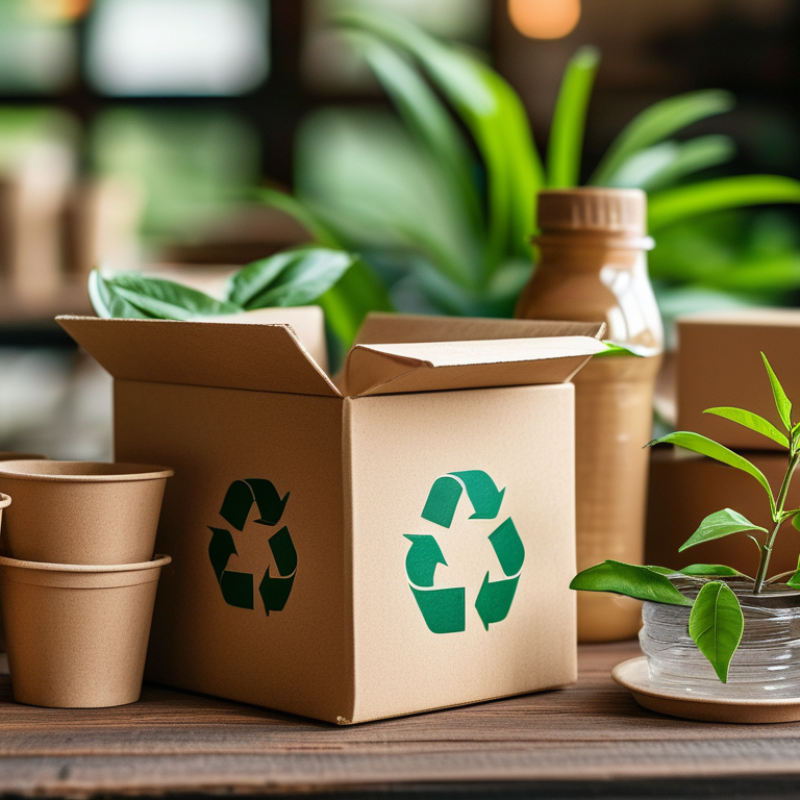
Sustainability is no longer a buzzword; it’s a business imperative. A recent report from McKinsey suggests that 66% of consumers are willing to pay more for sustainable brands. This trend reflects a shift in consumer values. Companies are responding by integrating sustainability into their operations. This is not just good for the planet; it's good for business.
The importance of sustainable practices extends beyond consumer preferences. According to a study by the World Economic Forum, the circular economy could generate $4.5 trillion in economic benefits by 2030. Companies that adopt sustainable packaging can see a positive public image. However, it is not without challenges. Sourcing sustainable materials can be more expensive. Balancing cost and sustainability is a tough task for many businesses.
There are still gaps in sustainable practices. The packing industry produces enormous waste. Aiming for zero waste is an ongoing struggle. Businesses must confront their impact on the environment while meeting consumer demand. The path to sustainability is not straightforward, but the benefits are significant.
As consumers become more conscious of their environmental impact, the demand for sustainable packaging solutions has surged. Today’s consumers are equipped with information about the ecological toll of plastic waste. They are actively seeking alternatives. This shift is not just a trend; it reflects a profound change in values. People want to support businesses that align with their eco-friendly priorities.
Packaging plays a crucial role in this evolution. It's not merely a container; it represents a brand's commitment to sustainability. Companies that prioritize green options often gain customer loyalty. However, many still struggle with the transition. Finding truly sustainable materials is not as straightforward as it seems. Some businesses opt for biodegradable options, yet these can be misleading. Not all biodegradable products decompose effectively. This can lead to consumer distrust and cynicism.
Moreover, the cost of sustainable packaging can be a barrier. Small businesses often find it challenging to invest in green solutions. An imbalance exists between consumer desire for eco-friendly options and the feasibility for companies to deliver them. As awareness grows, so too does the pressure on businesses to adapt. Yet, the path is fraught with challenges. Balancing cost, sustainability, and consumer expectations remains a complex issue.
Government regulations are increasingly shaping the landscape of sustainable packaging. Many countries have introduced strict guidelines on single-use plastics. These laws encourage businesses to explore eco-friendly alternatives. Companies must adapt to stay compliant. Non-compliance can lead to heavy fines and poor public perception.
Initiatives from various governments support sustainable practices. Incentives for using biodegradable materials are becoming common. These can include tax breaks or grants for innovative packaging solutions. Such measures create a favorable business environment for those prioritizing sustainability. However, businesses face challenges in scaling up these practices. Transitioning from traditional packaging to sustainable options can be costly.
The urgency of environmental issues pushes regulations forward. Public pressure amplifies this shift towards sustainable packaging. Companies, while eager to comply, often struggle with supply chain adjustments. The balance between cost and sustainability remains a poignant discussion. There is no one-size-fits-all solution. Each business must evaluate its unique context and take meaningful steps toward sustainability.
| Aspect | Details |
|---|---|
| Government Regulations | Increased legislation targeting plastic use and promoting recycling initiatives. |
| Consumer Demand | Growing consumer preference for eco-friendly products and sustainable practices. |
| Corporate Responsibility | Brands adopting sustainable practices to align with environmental goals. |
| Economic Benefits | Cost savings from improved supply chain and reduced waste management expenses. |
| Innovation in Materials | Development of biodegradable and recyclable materials enhancing packaging options. |
| Brand Image | Improved perception among consumers fostering loyalty and trust. |
Sustainable packaging is becoming increasingly important in the business world. Innovative materials and technologies are at the forefront of this trend. According to a recent report by Smithers Pira, the global sustainable packaging market is projected to reach
$400 billion by 2027. This growth reflects a rising consumer demand for
environmentally friendly options.
Biodegradable materials, like mushroom packaging and plant-based plastics, are gaining traction. In 2021, 48% of consumers expressed a preference for brands using sustainable packaging, highlighting its significance. Technologies such as digital printing and smart packaging are enhancing the efficiency of sustainable options. These innovations help reduce waste and improve supply chain transparency.
Tip: Consider using recycled materials or exploring biodegradable options for your products. Engaging with local suppliers can also lead to more sustainable sourcing practices. Remember, transparency in your packaging choices can resonate with eco-conscious consumers. Such efforts not only meet customer expectations but may also make a real difference in the environment.
Sustainable packaging is reshaping brand loyalty in today’s business landscape. Consumers increasingly prioritize eco-friendly options. According to a recent industry report by McKinsey, 60% of consumers are willing to change their shopping habits to reduce environmental impact. This shift is driving companies to adopt sustainable practices. Packaging made from recyclable materials resonates with consumers. The message is clear: sustainability fosters loyalty.
Market competitiveness hinges on transparency and responsible practices. Brands that utilize sustainable packaging often see a boost in customer trust. A survey from Nielsen indicates that 73% of millennials are willing to pay more for products with sustainable packaging. However, some businesses still struggle to balance cost and sustainability. Lower-cost alternatives may offer immediate savings, yet they risk alienating a growing segment of eco-conscious shoppers. Companies must invest in innovative solutions while remaining mindful of their supply chains.
The competitive landscape is evolving. Firms that fail to embrace sustainable packaging face potential backlash. The environmental footprint of packaging is under scrutiny. Brands need a clear strategy to communicate their sustainability efforts. Transparency can enhance market competitiveness, but it's not without challenges. Balancing customer expectations with economic realities is an ongoing dilemma. The path to sustainability requires reflection and commitment.
: Sustainability has become a business necessity. Many consumers prefer sustainable brands. It benefits both the planet and business practices.
Sustainable packaging can enhance a company's public image. Consumers often reward brands that show commitment to the environment.
A sustainable economy could produce $4.5 trillion by 2030. This encourages businesses to adopt better practices for profit and growth.
Sourcing sustainable materials can be more costly. Balancing expenses and sustainability can complicate decision-making for many firms.
Not all biodegradable options break down properly. This raises consumer concerns about the reliability of such claims.
Consumers are increasingly informed about waste. This knowledge drives demand for eco-friendly packaging options and greater accountability from brands.
Small businesses often struggle with the costs of sustainable solutions. They find it hard to compete against larger companies.
The packaging industry generates massive waste. It requires substantial effort to reduce this, creating ongoing sustainability challenges.
Increasing consumer interest in eco-friendly products pressures businesses to adapt. Meeting these expectations is not always easy.
Failure to deliver on sustainability claims can erode consumer trust. This can lead to increased skepticism and rejection of green marketing.
Sustainable packaging is becoming increasingly popular due to a confluence of factors that reflect modern business practices. The growing importance of sustainability among consumers has led to a heightened demand for eco-friendly packaging solutions, prompting companies to rethink their packaging strategies. This shift is further supported by government regulations that encourage environmentally responsible practices, which create a regulatory landscape favoring sustainable options.
Moreover, innovations in materials and technologies are driving trends in sustainable packaging, making it more accessible and effective for businesses. As companies embrace these sustainable practices, they not only meet consumer expectations but also enhance brand loyalty and gain a competitive edge in the market. Thus, understanding why sustainable packaging is becoming popular reveals its significance in fostering a more sustainable future while addressing consumer preferences and regulatory requirements.

Nerd Package