Why Does Packaging Influence Buying Choices?

Time:2026-07-04 Author:Aria
0%

Packaging plays a crucial role in influencing consumer behavior. Research has shown that about 72% of purchasing decisions are made in-store. This statistic underscores the importance of "how does packaging affect purchasing decisions." Effective packaging captures attention and conveys key product information. A visually appealing package can create a strong emotional connection, promoting brand loyalty.

Consumers often associate packaging design with product quality. A study by the Packaging Institute indicated that 60% of consumers prefer products with innovative packaging. This illustrates the power of design elements like color, shape, and texture. Poorly designed packaging, on the other hand, can lead to negative perceptions. It's essential to recognize how packaging failures impact sales and brand reputation.

Moreover, sustainability is becoming increasingly important. Reports show that 74% of consumers are willing to pay more for eco-friendly packaging. This shift highlights the necessity for brands to reflect values through their packaging choices. As companies consider how to enhance their packaging strategies, they must address these consumer insights. It is a continuous journey of adaptation and reflection to meet evolving market demands.
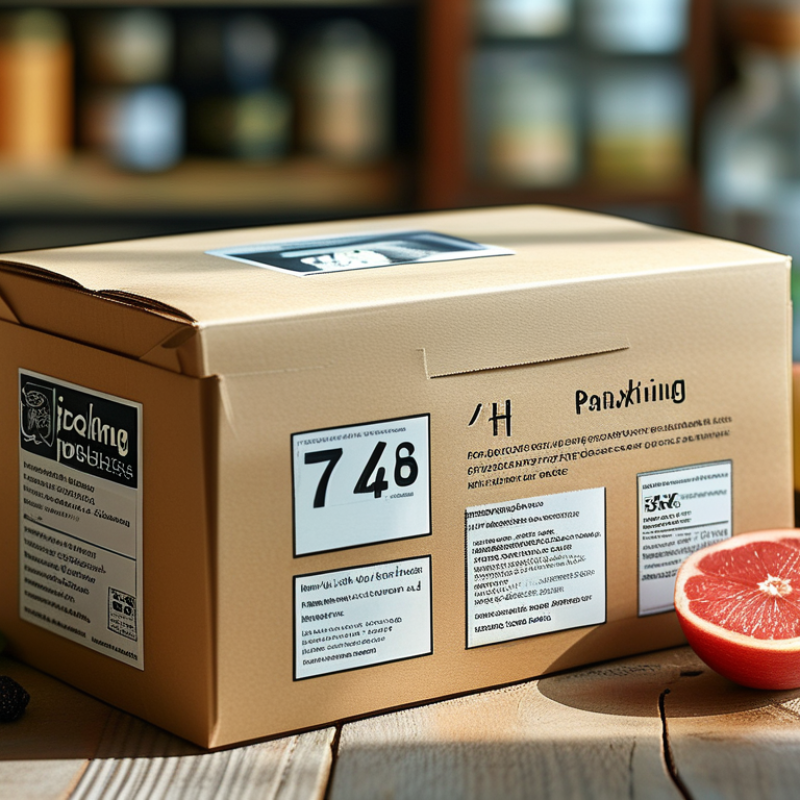
Why Does Packaging Influence Buying Choices?

The Role of Packaging in Consumer Decision-Making: An Overview

Packaging is a critical factor in consumer decision-making. In a recent study, 72% of consumers reported that the design of a product's packaging influences their buying choices. The appeal of packaging can attract attention on crowded shelves. Bright colors and unique shapes often stand out and draw in potential buyers.

Moreover, packaging plays a role in conveying information. About 65% of consumers seek details about a product from its packaging. They want to know ingredients, nutritional value, and sustainability credentials. Clear labels help build trust and encourage purchases. However, misinformation or vague details can lead to skepticism. If consumers feel deceived, they may avoid the product entirely.

The emotional connection triggered by packaging is also noteworthy. Research shows that 45% of purchasing decisions are based on emotional responses. Innovative packaging can evoke feelings of nostalgia or luxury. But, overcomplicated designs can confuse or deter consumers. Brands need to balance aesthetic appeal with clarity to be truly effective. Understanding these nuances is essential for effective marketing strategies.

Why Does Packaging Influence Buying Choices? - The Role of Packaging in Consumer Decision-Making: An Overview

Packaging Type Influence on Purchase Decision (%) Consumer Age Group Primary Packaging Attribute
Eco-friendly 67% 18-24 Sustainability
Minimalist 52% 25-34 Simplicity
Bright Colors 45% 35-44 Attractiveness
Informative Design 56% 45+ Clarity
Luxury Packaging 60% 35-44 Quality Perception

Psychological Impact of Colors and Design in Packaging Choices

Colors and design play a crucial role in consumer decision-making. Bright colors tend to attract attention. For example, red can evoke feelings of excitement and urgency. This can lead to impulsive purchases. In contrast, blue often signifies trust and calmness, influencing more deliberate buying choices. The choice of colors can create emotional connections, driving customers toward a product.

Packaging design is not just about aesthetics. It is about evoking specific responses. Shapes and layouts can suggest quality and luxury or focus on eco-friendliness. Minimalist designs appeal to modern consumers, while intricate details can evoke nostalgia. However, overcomplicating design can confuse shoppers. They may overlook products or feel overwhelmed.

Understanding the psychological impact of packaging can be a double-edged sword. Consumers often fall prey to these visual cues without realizing it. While attractive packaging can enhance the shopping experience, it can also lead to dissatisfaction. A product that looks great might not deliver on quality. Reflecting on these choices can help consumers make better decisions.

Statistics on Packaging's Influence on Consumer Buying Behavior

Packaging plays a crucial role in consumer decision-making. Research shows that 72% of consumers judge products by their packaging. The visual appeal is often the first interaction a customer has with a product. Bright colors, unique designs, and informative labels can all draw attention. In fact, studies indicate that up to 65% of customers believe that packaging reflects the quality of the product inside.

However, not all packaging is effective. Sometimes, overcomplicated designs can confuse consumers. According to a survey, 45% of shoppers feel overwhelmed by too much information on a package. This can lead to indecision at the point of sale. On the other hand, 86% of consumers are willing to pay more for products with sustainable packaging. Clear communication about materials can boost brand loyalty.

Moreover, 78% of online shoppers cite packaging as a significant factor in their purchase decisions. A well-designed package enhances the unboxing experience, adding perceived value. Yet, it's essential to strike a balance. Excessive packaging can alienate eco-conscious buyers. Brands must reflect on their packaging choices to avoid potential pitfalls while still engaging consumers effectively.

Influence of Packaging on Consumer Buying Choices

Sustainability Trends in Packaging and Their Effect on Purchases

Sustainability is reshaping the packaging industry. Consumers are more aware of environmental issues. Many prefer products with eco-friendly packaging. This desire drives brands to adopt sustainable materials. Recyclable, biodegradable, and reusable options are gaining traction. Brands embracing these choices might attract more environmentally conscious shoppers.

The visual appeal of packaging also matters. Attractive, innovative designs can draw attention. However, if a product's packaging contradicts sustainability claims, trust can diminish. A beautiful package is no longer enough. Shoppers want to feel good about their choices. They increasingly consider a product's environmental impact.

There is always room for improvement. Some sustainable materials may not perform as expected. They can sometimes be pricier or less accessible. Brands must navigate these challenges carefully. Transparency is vital. Open communication about sourcing and sustainability practices builds credibility. Ultimately, balancing aesthetics, function, and sustainability is an ongoing journey for brands aiming to meet consumer demands.

Case Studies: Successful Brands Leveraging Packaging for Sales Growth

Packaging plays a crucial role in consumer purchasing decisions. Many successful brands utilize innovative packaging to make their products stand out. Effective packaging not only catches the eye but also communicates brand values and product quality.

Consider the use of color, shape, and texture in packaging designs. Bright colors often attract younger shoppers. Unique shapes can create curiosity and engagement. Textured materials can offer a tactile experience that enhances perceived value. These elements work together to influence buying behavior.

Tips: Test different packaging designs. Gather feedback from focus groups. Observe customer reactions in-store. A/B testing can reveal what works best.

Successful brands often share their packaging strategies. They invest time in understanding their audience. Keeping packaging simple yet informative can drive better results. Essentials should be highlighted, but complex information may overwhelm shoppers.

Tips: Keep it clean. Ensure clarity in messaging. Consider sustainability in your materials. Eco-friendly packaging appeals to many consumers today.

FAQS

: How does packaging influence consumer decisions?

: Packaging is crucial; 72% of consumers say it affects their buying choices. Attractive designs grab attention.

What information do consumers look for on packaging?

About 65% seek details like ingredients and nutritional value. Clear labels build trust but vague details can mislead.

Can packaging evoke emotional responses?

Yes, 45% of decisions are based on emotions. Unique packaging can create nostalgia, but confusing designs can deter buyers.

How do colors impact consumer behavior?

Bright colors attract attention. For instance, red sparks excitement, while blue conveys trust, influencing buying choices.

What happens with overcomplicated packaging designs?

Complicated designs can confuse consumers. They might overlook a product or feel overwhelmed, leading to indecision.

Is sustainable packaging important to consumers?

Yes, 86% are willing to pay more for sustainable packaging. Clear communication on materials enhances brand loyalty.

What is the online shopping experience like concerning packaging?

Packaging significantly affects online purchases. A good design enhances unboxing and adds perceived value to the product.

Can attractive packaging lead to dissatisfaction?

Yes, sometimes attractive packaging deceives consumers. A product may look great but fail to meet quality expectations.

Should brands reflect on their packaging choices?

Absolutely. Reflecting helps avoid pitfalls. Brands must balance aesthetics with clarity to engage consumers effectively.

How can visuals in packaging be a double-edged sword?

Visual cues enhance shopping but can mislead. Consumers may fall for attractive designs without realizing potential quality issues.

Conclusion

Packaging plays a crucial role in influencing consumer purchasing decisions by serving as the first point of contact between the product and potential buyers. It impacts consumer decision-making through various psychological channels, notably the use of colors and design elements that attract attention and evoke emotions. Research indicates that appealing packaging can significantly sway shoppers, often leading to impulsive purchases, highlighting the importance of understanding how does packaging affect purchasing decisions.

Additionally, sustainability trends are becoming increasingly relevant in packaging choices, as consumers are more inclined to support brands that demonstrate eco-friendly practices. This shift towards sustainable packaging not only enhances brand image but also aligns with the values of environmentally conscious consumers. By examining case studies of successful brands that strategically utilize packaging, we can see the direct correlation between effective packaging design and sales growth, underscoring its vital role in modern marketing strategies.

Aria

Aria

Aria is a dedicated marketing professional with a deep passion for innovative strategies and a keen understanding of our company's product offerings. With a wealth of experience in the industry, Aria excels at crafting engaging content that highlights the unique features and benefits of our......