Designing packaging is a critical component of a business's marketing strategy. It's not just about aesthetics; it's about functionality and sustainability. What should businesses consider when designing packaging? This question drives a multifaceted approach toward creating effective product presentations.
Businesses must balance visual appeal with practical considerations. The materials used should reflect sustainability while ensuring the product is protected. Moreover, packaging needs to communicate brand identity clearly. This can often lead businesses to overlook essential factors, such as cost-effectiveness and target audience preferences.
A reflection on recent packaging trends shows a growing demand for eco-friendly options. Many consumers prefer biodegradable or recyclable materials. However, this raises questions about durability and cost. Finding the right balance between consumer expectations and practical constraints is essential. Ultimately, designing packaging is a nuanced endeavor that requires thoughtful consideration of numerous elements.
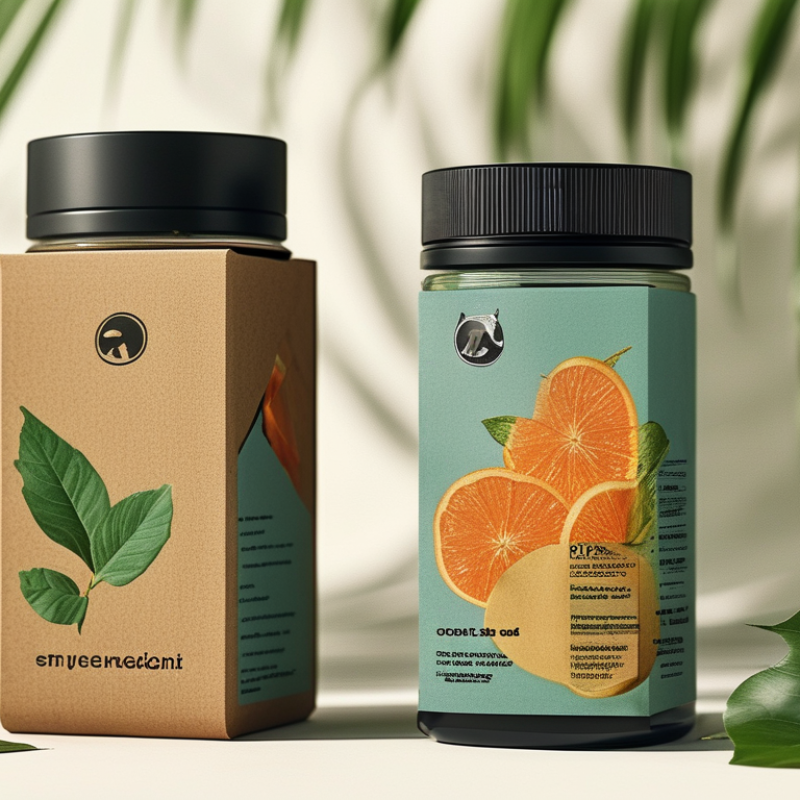
When designing packaging, businesses should focus on several key elements that enhance its effectiveness. Color is one crucial aspect; it evokes emotions and can influence buying decisions. Choose colors that reflect your brand identity while ensuring they stand out on shelves. Shape and size matter too. A unique shape can attract attention, while appropriate size can fit more efficiently into retail spaces.
Tips: Consider using eco-friendly materials. Consumers are becoming more environmentally aware. Sustainable packaging not only reduces waste but can also improve brand loyalty.
Typography plays a vital role in packaging design. Fonts should be legible and align with your brand character. A mismatched font can create confusion. Reflect on how your packaging communicates your message. Is it clear or cluttered? Simplicity often works best.
Tips: Test your packaging with real consumers. Gather feedback to understand what resonates and what doesn’t. This can reveal flawed concepts or overlooked details. The goal is to create packaging that not only looks good but works effectively.
Packaging design plays a vital role in influencing consumer purchase decisions. Research shows that 72% of consumers say packaging design influences their buying choices. This statistic underscores the need for businesses to prioritize strategic packaging design.
Visual appeal is crucial. Studies indicate that colorful packaging can increase sales by up to 80%. Simple, eye-catching designs often attract more attention on crowded shelves. Understand what resonates with your target audience to craft visually appealing packaging.
Tips for effective packaging design: Consider sustainability, as 66% of consumers prefer eco-friendly packaging. Using recyclable materials not only appeals to consumers but also reflects a modern brand image. Ensure your packaging tells a story. Emotional connections drive purchases. Packaging that resonates with values can lead to increased loyalty.
Clarity matters too. Confused consumers are likely to walk away. A clear label with essential information boosts trust. Focus on readability, especially in busy retail environments. Striking a balance between aesthetics and function is essential for any successful packaging design.
| Aspect | Statistic |
|---|---|
| First Impressions | 70% of consumers judge a product based on its packaging. |
| Sustainability | 62% of consumers prefer brands that use sustainable packaging. |
| Color Influence | Color increases brand recognition by 80%. |
| Information Clarity | 90% of consumers say that clear product information is essential. |
| Packaging Shape | Unique shapes can increase purchase intent by 20%. |
| Visual Appeal | Packaging design can influence 72% of purchase decisions. |
| Functionality | Packaged products with easy-opening solutions see a 42% sales increase. |
Sustainability is reshaping the packaging landscape for businesses. Companies now face pressure to minimize their environmental footprint. This shift affects material choices and production practices. Eco-friendly options, like biodegradable and recyclable materials, are becoming standard. Consumers increasingly prefer brands that care about sustainability.
Many businesses struggle with implementing these changes. The initial investment in sustainable packaging can be high. However, the long-term benefits often outweigh the costs. Customer loyalty can grow when a brand supports eco-conscious practices. Transparent communication about materials and processes boosts trust. It’s essential for businesses to educate themselves and their customers on sustainability.
Packaging design should also reflect brand values. A cohesive message can enhance a company's image. Yet, some companies overlook how their packaging impacts the environment. Balancing aesthetics with sustainability is complex. It requires ongoing evaluation and commitment. Business leaders need to engage with experts in sustainable design to navigate these challenges effectively.
In today’s competitive market, businesses face the challenge of designing packaging that is both appealing and functional. A study by Smithers Pira estimates that the global packaging market will reach $1 trillion by 2024. This highlights the importance of aesthetics in attracting consumers. However, while attractive packaging can grab attention, it must also fulfill practical needs. A balance is crucial.
Consider the materials used. Sustainable options are increasingly favored. A Nielsen report found that 73% of consumers are willing to pay extra for eco-friendly packaging. This suggests that integrating sustainability into design can also enhance brand loyalty. Yet, using these materials may increase costs, necessitating careful consideration of budget constraints.
Functionality is equally important. Packaging must protect the product during shipping and handling. According to Packaging Digest, nearly 30% of products are returned due to packaging failures. This presents a need for businesses to evaluate their design rigorously. Streamlining packaging processes can minimize waste and keep costs manageable, yet many companies overlook this critical aspect. Balancing cost, aesthetics, and functionality requires an ongoing assessment and innovation in design practices.
Packaging technology has been evolving rapidly. This evolution impacts business strategy significantly. Businesses must adapt to new materials, designs, and production techniques. Sustainable packaging is more than a trend; it has become a necessity. Many consumers prefer eco-friendly options. This shift influences brand loyalty and purchasing decisions.
Digital printing technology plays a crucial role in packaging design. It allows for customization and faster turnaround times. Brands can create limited edition designs that appeal to consumers. However, not all businesses have adapted to this change. Some still rely on traditional methods, missing out on potential market share.
Automation and smart packaging also emerge as key trends. These innovations enhance efficiency and reduce costs. Yet, they require upfront investment and training. Smaller businesses may struggle with this transition. Companies need to evaluate their capabilities and market demands. This reflection helps in making informed decisions about packaging strategies.
: Sustainable packaging can build customer loyalty and improve brand trust over time.
The initial investment in sustainable materials can be high, creating a financial barrier for some companies.
Packaging design must balance aesthetics and functionality, attracting customers while protecting products.
Many consumers prefer brands that prioritize sustainability, impacting their purchasing decisions significantly.
Balancing cost, aesthetics, and functionality is complex. Many companies overlook this critical evaluation.
Advances in digital printing and automation are reshaping packaging strategies, enhancing efficiency but requiring investment.
It's crucial for businesses to educate themselves and communicate transparently about their materials and processes.
Nearly 30% of products are returned due to packaging failures, highlighting the need for rigorous evaluation.
Ongoing assessment and innovation in design practices are necessary to adapt to new market demands.
They need to reflect on their capabilities and market demands to make informed decisions effectively.
When considering what should businesses consider when designing packaging, it is essential to focus on several key elements that contribute to effective design. These include the visual appeal, durability, and functionality of the packaging, which can significantly influence consumer purchase decisions. Statistics show that well-designed packaging can enhance brand recognition and lead to increased sales, making it a critical aspect of marketing strategy.
Moreover, sustainability has emerged as a vital factor in modern packaging choices, reflecting consumer preferences for eco-friendly options. Businesses must find a balance between cost, aesthetics, and functionality to ensure their packaging is not only attractive but also economically viable. Staying informed about trends in packaging technology can further enhance a business's strategy, providing innovative solutions that align with consumer expectations and environmental considerations.

Nerd Package