How to Choose Eco Friendly Packaging Solutions for Your Business?

Time:2026-07-24 Author:Oliver
0%

In today’s world, businesses face increasing pressure to adopt sustainable practices. One key area for improvement is packaging. Consumers are more environmentally conscious than ever. They prefer brands that prioritize sustainability. Thus, companies must learn how to choose eco friendly packaging solutions.

Understanding the available options can feel overwhelming. Various materials, from biodegradable plastics to recycled paper, can be confusing. Each choice comes with its own set of benefits and drawbacks. Companies should reflect on their specific needs and audience preferences. What works for one brand may not work for another.

Selecting eco friendly packaging solutions is not just a trend. It is a necessary shift towards sustainability. However, it requires careful consideration and experimentation. Businesses must continuously evaluate their choices. Finding the right solution may take time, but the effort is worthwhile. A commitment to eco-friendly practices can enhance brand loyalty and contribute positively to the planet.
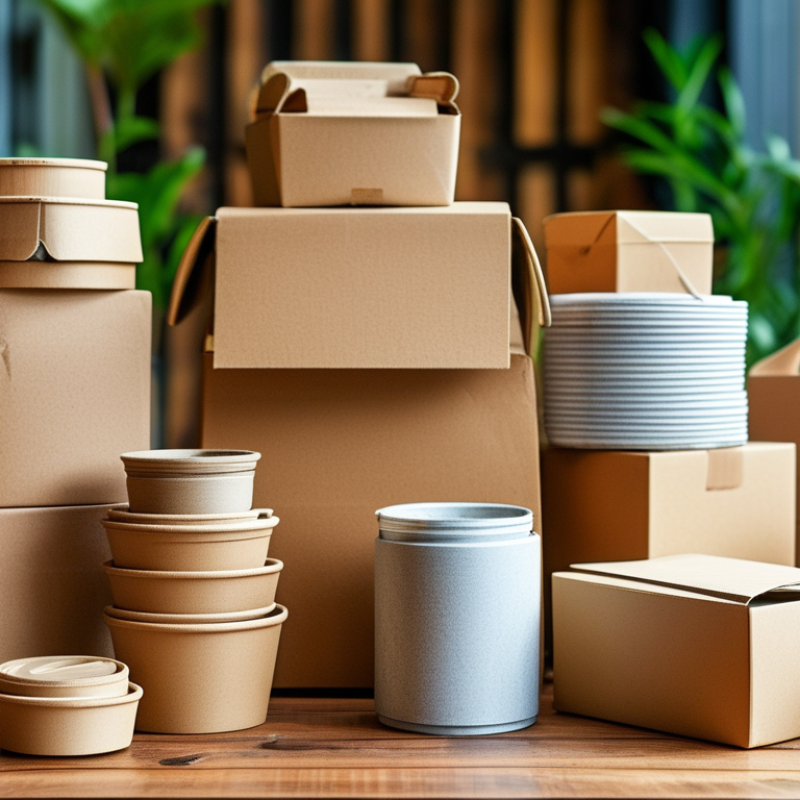
How to Choose Eco Friendly Packaging Solutions for Your Business?

Understanding Eco-Friendly Packaging: Definitions and Types

Eco-friendly packaging is a vital consideration for modern businesses. It encompasses materials that minimize environmental impact. These materials can range from biodegradable plastics to recycled paper. Understanding these types ensures better choices for sustainable practices.

Biodegradable packaging decomposes naturally. This option often includes plant-based materials. Recycled paper products also help reduce waste. Additionally, there’s reusable packaging, which encourages consumers to return items. Each type has unique benefits but also limitations.

Some businesses may struggle with high costs tied to eco-friendly options. It's essential to weigh these costs against long-term benefits. Awareness of consumer preferences is growing. Many customers favor companies with sustainable practices. Balancing affordability and environmental responsibility is a continuous challenge for businesses entering this space.

Evaluating the Environmental Impact of Packaging Materials

When evaluating the environmental impact of packaging materials, businesses must consider various factors. Packaging accounts for about one-third of municipal waste in many regions, highlighting its vital role in sustainability efforts. According to the Ellen MacArthur Foundation, approximately 78 million tonnes of plastic packaging are produced each year, but only 14% is recycled. This low recycling rate emphasizes the urgent need for eco-friendly alternatives.

Biodegradable materials, such as cornstarch or mushroom packaging, present promising options. These materials break down naturally, reducing landfill contributions. Industry reports indicate that the global biodegradable packaging market is projected to reach $18.4 billion by 2024, reflecting a growing demand for sustainable solutions. Yet, the sourcing of organic materials can lead to land-use concerns, necessitating careful consideration.

Recyclability is another critical factor. Materials like paper and cardboard are often easier to recycle compared to plastics. Yet, many paper products are treated with chemicals, complicating their recyclability. The National Recycling Coalition states that improving recycling rates could lead to significant reductions in greenhouse gas emissions. Businesses must weigh these factors and remain transparent about their choices, striving for a balance between functionality and environmental responsibility.

Key Factors to Consider When Selecting Eco-Friendly Solutions

When choosing eco-friendly packaging, consider multiple factors that impact your decision. The materials you select are crucial. Opt for biodegradable, recyclable, or compostable options. Look for third-party certifications that verify the sustainability of these materials. Awareness of the environmental footprint is key. How much energy and water does production consume? Reducing waste in the packaging process is vital.

Examine the design of your packaging. It should protect the product while minimizing excess material. Simple, innovative designs often reduce environmental impacts. Think about the end-user experience. Packaging should be user-friendly and easy to dispose of properly. How can you inspire customers to recycle or reuse your packaging?

Budget constraints often challenge businesses. Balancing cost and sustainability can lead to difficult choices. It's worth reflecting on how eco-friendly solutions align with your brand values. Are you genuinely committed to sustainability, or just responding to market pressure? Authenticity can build trust with customers. Each decision impacts the planet in ways we might not fully understand.

Key Factors in Choosing Eco Friendly Packaging Solutions

Balancing Cost-Effectiveness and Sustainability in Packaging Choices

Choosing eco-friendly packaging is essential for modern businesses. It addresses environmental concerns while enhancing brand reputation. However, the challenge lies in balancing costs with sustainability. According to a 2022 report by McKinsey, sustainable packaging solutions can reduce carbon emissions by 30% or more. This is crucial in today's eco-conscious market.

Cost-effective options may initially seem limited. However, some biodegradable materials can actually lower shipping costs due to their lightweight nature. A survey from the Sustainable Packaging Coalition found that 72% of consumers are willing to pay more for sustainable packaging. This indicates a potential price premium for businesses that choose wisely.

Choosing the right packaging is not straightforward. Some materials may appear sustainable but lack recyclability. Businesses should invest time in researching and validating their packaging choices. Collaborating with supply chain experts can enhance understanding. Regular assessment of packaging can lead to continuous improvement. This reflection is vital for achieving true sustainability.

Case Studies: Successful Implementation of Eco-Friendly Packaging

When businesses transition to eco-friendly packaging, case studies highlight effective strategies. A company specializing in organic foods revamped its packaging. They replaced plastic with biodegradable materials. Customers responded positively, appreciating the commitment to sustainability. This change not only boosted sales but strengthened brand loyalty.

Another notable example involves a cosmetics brand. They implemented refillable containers, reducing waste significantly. The initiative required robust customer education. However, it created a community-driven approach to sustainability. Feedback indicated customers felt part of a bigger cause, making the effort worthwhile.

**Tips**: Consider localized sourcing for materials. This reduces transportation impacts. Engaging your audience in packaging choices can also enhance customer relationships. Regularly review your packaging's life cycle. Identify areas that need improvement continuously. Small adjustments can lead to significant environmental benefits. Sustainability is an ongoing journey, not a destination.

How to Choose Eco Friendly Packaging Solutions for Your Business?

Packaging Type Material Sustainability Features Cost Comparison Usage Example
Biodegradable Bags PLA (Polylactic Acid) Compostable, Bio-based 10% higher than plastic bags Grocery stores
Recycled Paper Boxes Recycled cardboard Recyclable, Reduced carbon footprint 5% more than virgin paper boxes E-commerce packaging
Glass Jars Glass Reusable, Recyclable 50% higher than plastic containers Food products
Mushroom Packaging Mushroom mycelium Biodegradable, Renewable 20% more than traditional foam Electronics packaging
Compostable Film PLA or PHA Compostable, Made from renewable resources 15% higher than conventional plastic film Food service to-go packaging

FAQS

: What is eco-friendly packaging?

: Eco-friendly packaging uses materials that minimize environmental impact. These include biodegradable plastics and recycled paper.

What are the benefits of biodegradable packaging?

Biodegradable packaging decomposes naturally. It often includes plant-based materials, reducing landfill waste over time.

Why is recyclability important in packaging?

Recyclability reduces waste and greenhouse gas emissions. Materials like paper are often easier to recycle than plastics.

What challenges do businesses face with eco-friendly packaging?

High costs and limited options can challenge companies. Balancing affordability with environmental responsibility is essential yet difficult.

How can consumer preferences affect packaging choices?

Many consumers prefer sustainable practices. Businesses may benefit by aligning with these values, possibly leading to increased sales.

Are all sustainable materials truly effective?

Some materials may seem sustainable but lack proper recyclability. Careful research is needed to ensure effective choices are made.

What is the projected market growth for biodegradable packaging?

The global biodegradable packaging market is expected to reach $18.4 billion by 2024. Demand for sustainable solutions is increasing.

How can businesses assess their packaging impact?

Businesses should evaluate their packaging materials' environmental effects. This reflection helps foster continuous improvement in sustainability practices.

Can lightweight materials reduce costs in shipping?

Yes, some biodegradable materials are lightweight. This can lower shipping costs, making them more cost-effective in certain situations.

What role does collaboration play in sustainable packaging?

Working with supply chain experts can enhance understanding of materials. Regular assessments lead to better environmental choices over time.

Conclusion

In today's environmentally conscious market, knowing how to choose eco friendly packaging solutions is crucial for businesses aiming to reduce their carbon footprint. This process begins with understanding the definitions and types of eco-friendly packaging, which include biodegradable materials, recycled content, and compostable options. Next, evaluating the environmental impact of various packaging materials helps companies make informed decisions based on sustainability.

Key factors to consider when selecting eco-friendly solutions include the lifecycle of the materials, the sourcing process, and how they align with the company’s overall sustainability goals. Balancing cost-effectiveness with environmental responsibility is essential, as businesses often face budget constraints. Finally, examining case studies of successful implementation highlights practical strategies and benefits, offering valuable insights for companies looking to transition to greener packaging alternatives. By following these guidelines, businesses can effectively contribute to a more sustainable future.

Oliver

Oliver

Oliver is a seasoned marketing professional with a wealth of expertise in driving brand awareness and engagement. With a deep understanding of our company's product offerings, he consistently delivers high-quality content that enriches our professional blog. His insights not only shed light on......