Selecting the right packaging for luxury products can significantly impact brand perception and customer experience. Research indicates that 72% of consumers believe packaging influences their purchasing decisions. Thus, understanding how to select packaging for luxury products is crucial for brands aiming to convey exclusivity and value.
Luxury packaging goes beyond aesthetics. It involves quality materials, unique designs, and sustainability. In 2022, reports highlighted that 57% of luxury consumers prioritize environmentally friendly packaging. This shift necessitates brands to rethink their packaging strategies. Emphasizing artistry and innovation can elevate a product’s perceived worth.
However, the process is not without challenges. Balancing cost and quality demands careful consideration. Brands must also reflect on their target audience’s preferences. It's crucial to ask: does our packaging truly reflect the luxury we promise? This reflection can guide companies in making informed packaging choices that resonate with their clientele and enhance brand loyalty.
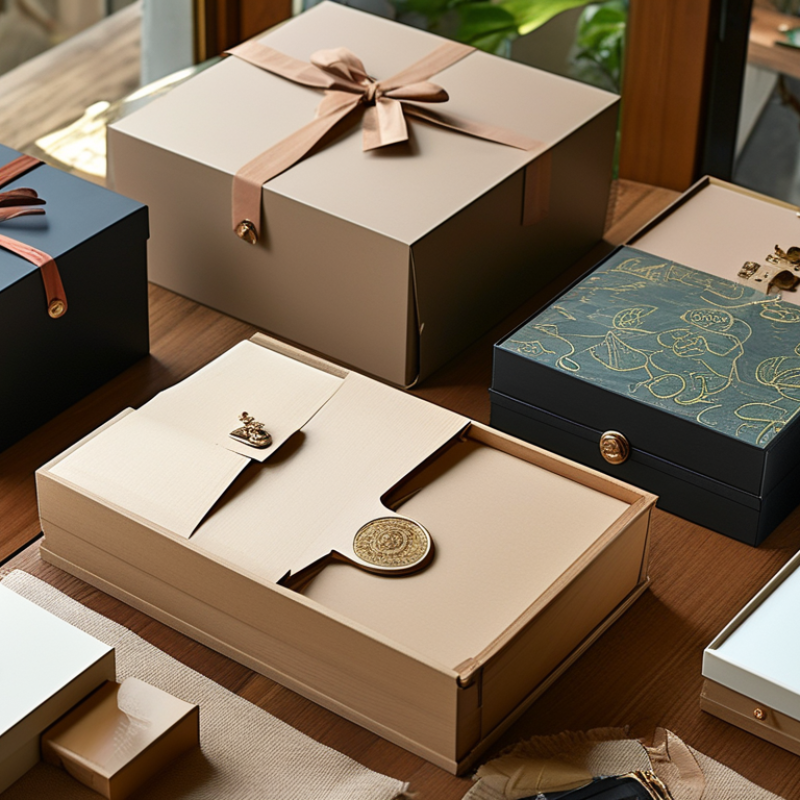
When it comes to luxury branding, packaging plays a pivotal role. A well-designed package can evoke feelings of exclusivity and sophistication. According to a report by Packaging Strategies, 72% of consumers make judgments about a product based on its packaging alone. This highlights the critical impact of design, materials, and overall presentation.
The luxury market is heavily influenced by consumer perception. In a study by McKinsey, over 60% of high-income consumers stated that packaging significantly affects their purchasing decisions. This indicates that brands must invest not only in the product but also in its packaging. Quality materials, intricate details, and innovative designs are essential to convey luxury. However, a misstep in packaging can lead to a disconnect with consumers. Brands must regularly reassess their packaging strategies to stay relevant.
Sustainability is increasingly important in luxury packaging. Research by Smithers Pira indicates that 61% of consumers value sustainable packaging options. Brands need to find a balance between luxury appeal and environmental responsibility. This is a complex challenge, as consumers can be fickle. What resonates today might not resonate tomorrow. Thus, adapting to changing consumer preferences while maintaining brand identity is crucial.
Identifying the target audience for luxury products is crucial. Understanding the demographics enables brands to tailor packaging effectively. According to a report by Bain & Company, the global personal luxury goods market grew by approximately 6% in 2021. Millennials and Gen Z consumers are increasingly impacting this segment, emphasizing experiences and sustainability.
When selecting packaging, consider quality over quantity. Premium materials resonate with high-end clients. Employing eco-friendly options can enhance brand reputation. Research indicates that 66% of consumers are willing to pay more for sustainable products.
Visual aesthetics play a vital role. Elegant designs can attract your target demographic. Utilize packaging that reflects your brand's values while appealing to affluent sensibilities. Create a cohesive look that elevates the unboxing experience. Clients appreciate meticulous details, as they reflect the overall quality of the product inside. Aim for a balance between sophistication and practicality.
Choosing materials that reflect quality and elegance is crucial when selecting packaging for luxury products. Research indicates that 70% of consumers believe packaging influences their perception of product quality. Thus, the choice of material can significantly impact brand reputation. For luxury items, opt for materials that convey sophistication. Think of matte finishes, textured surfaces, and embossed details that provide a tactile experience.
Using sustainable materials can also enhance the premium feel of packaging. Many luxury brands are leaning towards eco-friendly options, such as recycled paper and biodegradable plastics. A recent study showed that consumers are willing to pay 10-15% more for products with sustainable packaging. This shift not only reflects a brand's commitment to the environment but also meets the growing consumer demand for sustainability.
Avoid excessively elaborate designs—they can dilute the elegance. Simplicity often speaks louder and aligns with luxury's core values. Additionally, test your packaging with potential customers before finalizing your choice. Gathering feedback can reveal critical insights into consumer preferences. Remember, your packaging is not just a container; it’s an extension of your brand’s identity.
Creating a unique packaging design for luxury products is essential. Visual impact can make a significant difference in attracting discerning consumers. Using high-quality materials, like textured finishes or embossed patterns, can elevate the overall perception. Unique closures or unconventional shapes often stand out on shelves, drawing attention instantly. Thoughtful design choices communicate the brand's story and values.
Incorporating personal touches adds a memorable element to the packaging. Consider integrating bespoke illustrations or personalized messaging. These details can create a strong emotional connection with the customer. However, it's important not to overcomplicate the design. Simplicity often enhances elegance and sophistication. Mistakes in design can lead to a cluttered aesthetic, detracting from the luxury appeal.
Reflect on practical elements as well. Functionality should be balanced with aesthetics. Fragile items need secure packaging, while also looking stunning. Test various concepts before finalizing a design. Sometimes, the most straightforward ideas have the greatest impact. A well-thought-out design ensures that luxury products are not only beautiful but also user-friendly.
| Tip | Description | Design Element | Visual Impact |
|---|---|---|---|
| 1. Choose High-Quality Materials | Opt for materials that convey luxury, such as heavy paper or textured finishes. | Textured Paper | Enhances perceived quality. |
| 2. Incorporate Custom Shapes | Use non-traditional shapes to stand out on the shelf. | Unique Box Design | Creates curiosity and intrigue. |
| 3. Use Elegant Typography | Select fonts that reflect sophistication and luxury. | Serif Fonts | Conveys elegance and tradition. |
| 4. Incorporate Foil Stamping | Add metallic foil to logos or text for a premium look. | Gold or Silver Foil | Enhances visual appeal and luxury feel. |
| 5. Provide a Window Cutout | Allow customers to see the product inside to boost desirability. | Transparent Cutouts | Creates a connection between product and packaging. |
| 6. Opt for Sustainable Materials | Use eco-friendly materials to attract conscious consumers. | Recyclable Materials | Positive brand image and customer loyalty. |
| 7. Create a Luxurious Unboxing Experience | Incorporate layers and custom inserts for an unforgettable reveal. | Layered Packaging | Enhances emotional connection with the brand. |
| 8. Use Color Theory | Choose colors that resonate with luxury, such as deep blues and golds. | Rich Color Palette | Instills feelings of richness and exclusivity. |
| 9. Include Personalization | Offer options to customize packaging, making it unique to each customer. | Custom Labels | Enhances customer engagement and loyalty. |
| 10. Ensure Functional Design | Make sure the packaging is practical while maintaining a luxurious look. | Functional Features | Boosts user experience and satisfaction. |
In the world of luxury products, sustainable packaging is increasingly essential. Brands now prioritize eco-friendly materials like recycled plastics or biodegradable options. This shift minimizes environmental impact but presents challenges. Sourcing sustainable materials can be more expensive and complex. Brands must balance cost and eco-conscious choices.
Luxury packaging should not only look exquisite but also tell a story. Consumers often look for brands that reflect their values. Biodegradable finishes or printed cartons using vegetable inks resonate with environmentally conscious buyers. Yet, some brands hesitate, fearing that sustainability may compromise luxury appeal. They must reevaluate these assumptions to align with evolving market demands.
Additionally, transparency plays a crucial role in luxury packaging. Brands should communicate their sustainable practices clearly. Engaging consumers into the brand’s sustainable journey can build trust. It’s not just about being green; it’s about being authentic. However, navigating this pathway requires constant reflection on practices and materials used. Embracing sustainability in luxury packaging is a journey, not just a destination.
: Material choice impacts consumer perception and brand reputation. Quality materials convey sophistication and elegance.
Yes, many consumers are willing to pay more for sustainable options. Eco-friendly choices can enhance the brand’s image.
Overly elaborate designs can dilute elegance. Simple, clean designs often resonate better with luxury branding.
Unique illustrations or personalized messages create emotional connections. They make the packaging memorable to consumers.
Absolutely. Functionality must balance aesthetics. Secure packaging for fragile items should also look appealing.
Testing packaging with consumers reveals their preferences. Feedback can guide critical design decisions and improve appeal.
Cluttered aesthetics can detract from luxury appeal. Simplifying design often leads to a more elegant presentation.
Yes, simplicity maintains focus on the product, aligning closely with luxury values. It often makes a stronger visual impact.
Yes, testing different concepts helps identify effective designs. Sometimes, the simplest ideas leave the biggest impression.
Packaging serves as an extension of the brand. Thoughtful designs communicate the brand's story effectively to consumers.
When considering how to select packaging for luxury products, it is essential to understand the pivotal role that packaging plays in luxury branding. First, brands must identify their target audience, as this helps tailor the packaging to meet the expectations and preferences of discerning consumers. Next, the choice of materials is crucial; opting for high-quality, elegant materials not only elevates the product but also aligns with the luxury perception.
Additionally, incorporating unique design elements can create a visual impact that enhances the overall appeal of the product. Luxury packaging should also reflect sustainable practices, responding to the growing consumer demand for eco-friendliness while still maintaining a sense of opulence. By combining these strategies, brands can create packaging that not only protects the product but also reinforces the luxury experience for their customers.

Nerd Package