2026 Best Gift Packaging How to Select the Right Type

Time:2026-09-12 Author:Oliver
0%

Selecting gift packaging is not a decoration exercise. It is a practical decision involving protection, presentation, cost, and customer expectations. For brands preparing for 2026, the challenge is sharper. Buyers want memorable unboxing moments, yet they also notice waste, weak materials, and careless design.

Lisa McTigue Pierce, a respected packaging journalist and author, describes packaging as “a brand’s silent salesperson.” Her observation is useful because a gift box speaks before the product is touched. A rigid box can suggest premium value. A kraft sleeve may communicate simplicity and environmental awareness. Neither choice works automatically.

This guide explains how to select packaging for gift products through real packaging considerations. It examines product dimensions, impact resistance, opening experience, printing quality, storage space, and shipping conditions. A glass candle needs cushioning and a stable insert. A fabric accessory may need breathability rather than heavy protection. Small details matter.

Start with the product.

Measure it carefully, including fragile edges and accessories. Then consider who will open it, where it will be stored, and how far it will travel. Packaging suppliers can provide material samples, but samples alone are not enough. Drop tests, compression checks, and prototype reviews reveal problems early.

Some choices will remain imperfect. A beautiful package may require more material. A recyclable option may feel less luxurious. That tension deserves honest evaluation, not convenient promises. The strongest packaging decision balances protection, emotional appeal, operational reality, and responsible material use. It also leaves room for improvement after customer feedback arrives.
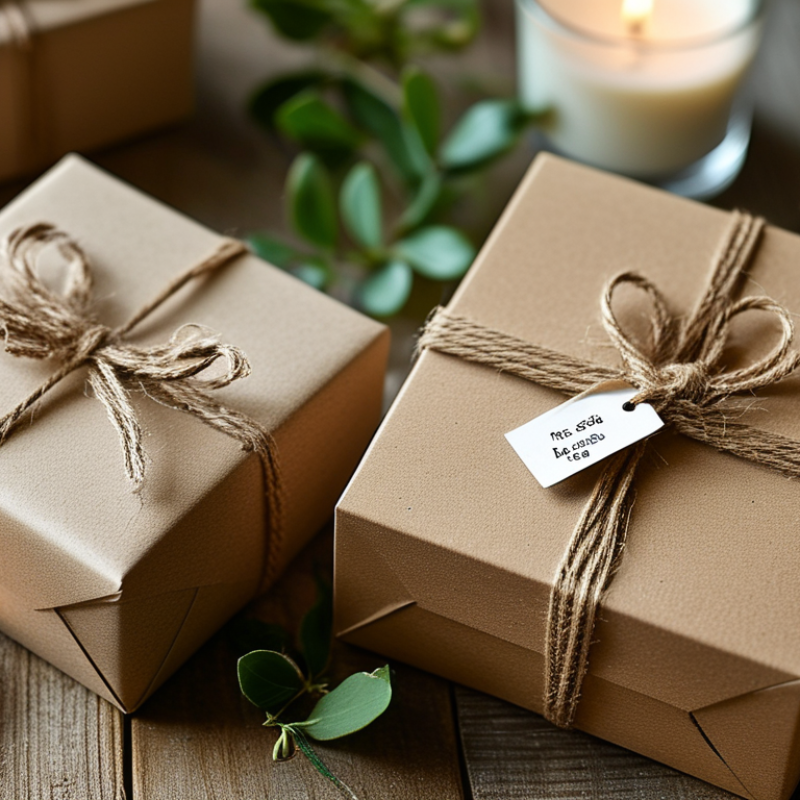
2026 Best Gift Packaging How to Select the Right Type

Define the Gift, Recipient, Occasion, and Packaging Requirements

2026 Best Gift Packaging: How to Select the Right Type

Define the Gift, Recipient, Occasion, and Packaging Requirements

Choosing the right gift packaging starts with defining the gift itself. A ceramic mug needs shock protection, while a soft scarf needs shape and moisture control. Start with the gift. Measure its length, width, height, and weight before selecting a box or pouch. I have learned that attractive packaging can still fail when the product moves inside. Add tissue, molded inserts, or fitted paper only when they prevent damage.

The recipient should guide the packaging style and practical details. Children may need easy-open packaging without small loose parts. Older recipients may prefer clear labels and simple closures. A wedding gift can feel refined, while a birthday package may use brighter colors. Keep it personal, not excessive. Consider cultural preferences, accessibility, and the recipient’s storage space.

The occasion also affects durability and presentation. Packaging for hand delivery can be lighter than packaging sent through several transport stages. Check stacking strength, moisture resistance, sealing quality, and available storage conditions. Set a realistic budget before choosing decorative features. Sustainable materials can work well, but they still need sufficient protection. One mistake is assuming recyclable packaging is always the best option. If the gift arrives damaged, the material choice has failed its main purpose. Test the package with a gentle shake and a short trial shipment. Inspect the corners afterward.

2026 Best Gift Packaging: How to Select the Right Type

Define the gift, recipient, occasion, and packaging requirements before choosing a packaging format.

The chart compares the number of practical packaging requirements commonly triggered by each gift category. Requirements include protection, size flexibility, presentation, portability, privacy, moisture resistance, sustainability, and personalization.

Compare Gift Packaging Types by Materials, Size, and Design

Choosing gift packaging in 2026 requires comparing material, size, and design together. The 2023 Global Buying Green Report found that 82% of surveyed consumers would pay more for sustainable packaging. However, gift buyers still expect attractive presentation.

Recycled paperboard offers a lighter, printable option for clothing, books, and small accessories. Rigid board feels more luxurious, but it uses more material and adds shipping weight. Glass can look refined, yet it breaks easily and needs protective inserts.

Size affects both cost and perceived value. A 20 x 15 x 8 cm box suits a compact gift without excessive empty space. Measure the product, add room for tissue paper, and test the closing force. Oversized packaging often increases void fill and transport emissions.

The U.S. Environmental Protection Agency reported a 68.2% recovery rate for paper and paperboard in 2018, supporting paper-based systems when collection is available. Local recycling access still matters.

Design should guide the opening experience. A tuck-end box opens quickly, while a magnetic-style closure creates a slower, more ceremonial reveal. Use one strong color, clear labeling, and a practical handle when the gift travels.

My first prototype looked premium but wasted space around the product. That was expensive and unnecessary. A smaller sample performed better, although the thin board dented during handling. Testing matters. Gift packaging is rarely perfect on the first attempt.

Match Packaging Features with Protection, Presentation, and Practicality

Choosing gift packaging starts with matching its features to the item’s protection needs. A delicate ceramic piece needs a firm structure, snug inserts, and shock-absorbing space. In practical packing tests, loose filler often moves during handling and leaves corners exposed. A rigid box can reduce crushing, but excessive strength may add weight and shipping cost. It may look elegant. Yet protection fails if the item slides inside.

Presentation should support the gift, not hide it. Clean folds, balanced proportions, and a carefully placed opening create a thoughtful first impression. Soft colors can feel warm, while textured paper adds a tactile detail. However, glossy finishes may show fingerprints easily. Practicality matters after the first glance. Easy-to-remove seals, reusable inserts, and comfortable carrying options improve the experience. I once chose a beautiful package that was difficult to open, and the recipient needed scissors. That choice still makes me reconsider appearance-first decisions.

Tips: Measure the gift before selecting a box. Leave enough space for protective material, but avoid excessive empty volume. Test the package with a gentle shake and a short drop onto a padded surface. Check whether the lid stays closed without forcing it. For storage, choose packaging that stacks neatly and resists light moisture. Ask one honest question: does this package protect, present, and serve the user equally well?

Evaluate Sustainability, Customization, Cost, and Available Accessories

Choosing gift packaging in 2026 requires more than attractive colors. Sustainability should begin with material, structure, and end-of-life handling. The 2023 Global Buying Green Report found that 82% of consumers would pay more for sustainable packaging. Yet consumer intention is not a guarantee. I would test a paperboard box, molded-fiber insert, and water-based coating before approving a large order. Check fiber content, local recycling rules, and whether tape or magnets prevent recovery. “Recyclable” can become an empty claim.

Customization should serve the unboxing task. Print the recipient’s name, add a short message panel, or use a replaceable sleeve. Avoid permanent decorations when the box may be reused. A 2020 McKinsey packaging study reported that 60% to 70% of consumers were willing to pay more for sustainable packaging. However, price sensitivity remains strong. Request quotes at several quantities. Compare unit price, setup fees, labor, storage, damage rates, and shipping volume. A cheaper box can cost more after assembly. This is where many buying plans fail.

Accessories need the same audit. A ribbon, card, tissue layer, or reusable pouch can improve presentation, but each adds material and handling. Choose flat-packed components when possible. They reduce cubic volume. Test closure strength with a filled package, not an empty sample. Measure opening time, scuffing, insert fit, and disposal steps. Keep it useful. I would also leave a small contingency for artwork corrections and damaged units; early estimates are often too optimistic.

2026 Best Gift Packaging: How to Select the Right Type — Evaluate Sustainability, Customization, Cost, and Available Accessories
Packaging Type Typical Material Sustainability Profile Customization Potential Estimated Unit Cost* Available Accessories Protection Level Best For
Folding Carton Paperboard, commonly 300–500 gsm ★★★★☆
Widely recyclable when uncoated or finished with recyclable coatings; low storage volume when flat-packed.
★★★★★
Supports offset, digital, or flexographic printing, die-cut windows, embossing, foil details, and custom structural shapes.
US$0.20–$1.20 Paper inserts, sleeves, belly bands, tissue paper, stickers, ribbons, and hang tags. ★★★☆☆
Suitable for lightweight to moderately fragile products with a fitted insert.
Books, cosmetics, confectionery, small accessories, and promotional gifts.
Rigid Setup Box Thick paperboard wrapped with printed paper ★★★☆☆
Durable and reusable; recycling can be more complex when wrapped, laminated, or combined with magnets.
★★★★★
Offers premium surfaces, magnetic closures, ribbon pulls, multi-level inserts, and high-quality printed wraps.
US$1.50–$7.00 Magnetic lids, ribbon closures, foam or molded-pulp inserts, tissue paper, cards, and reusable bags. ★★★★★
Excellent rigidity and cushioning for premium or fragile products.
Jewelry, electronics, spirits, premium food sets, and luxury gift collections.
Kraft Paper Box Unbleached kraft paperboard or corrugated fiberboard ★★★★★
Generally recyclable and often made with recycled fiber; avoid plastic lamination and mixed-material windows.
★★★★☆
Works well with one- or two-color printing, stamps, labels, die-cuts, and natural-texture finishes.
US$0.35–$2.00 Recycled-paper filler, twine, paper tape, kraft cards, stamps, labels, and paper handles. ★★★★☆
Corrugated versions provide good shipping protection; thin kraft cartons offer less cushioning.
Eco-conscious retail, handmade goods, subscription gifts, and small-batch products.
Corrugated Mailer Box Single-wall or double-wall corrugated fiberboard ★★★★★
Recyclable in many paper-recycling systems and efficient for shipping because it combines packaging and transport functions.
★★★★☆
Supports exterior printing, interior printing, custom inserts, tear strips, locking tabs, and variable data labels.
US$0.70–$3.50 Corrugated inserts, molded-pulp trays, paper filler, paper tape, tear strips, and instruction cards. ★★★★★
Strong choice for parcel delivery and products needing compression or impact resistance.
E-commerce gifts, apparel, home goods, subscription boxes, and multi-item kits.
Paper Gift Bag Kraft or coated paper with paper or cotton handles ★★★★☆
Reusable for multiple occasions and recyclable when free from plastic films, metal parts, and excessive adhesive.
★★★★☆
Custom sizes, printed panels, reinforced bases, handle colors, and seasonal artwork are available.
US$0.30–$2.50 Printed tissue paper, gift cards, stickers, ribbons, hang tags, and matching envelopes. ★★☆☆☆
Provides limited protection against crushing, moisture, and rough handling.
Retail presentation, clothing, books, event favors, and non-fragile gifts.
Reusable Fabric Pouch Cotton, recycled polyester, linen, or blended textile ★★★★☆
Reusable and lightweight; end-of-life recycling depends on fiber composition, trims, and local textile programs.
★★★★☆
Supports screen printing, embroidery, woven labels, drawstring colors, and custom dimensions.
US$0.80–$4.00 Drawstrings, zipper pulls, care cards, fabric labels, paper tags, and protective tissue. ★★★☆☆
Protects against scratches and dust but offers limited structural protection.
Jewelry, travel accessories, wellness products, toys, and reusable gift programs.
Molded-Pulp Tray with Paper Sleeve Recycled paper fiber or agricultural-fiber pulp ★★★★★
Fiber-based, lightweight, and typically recyclable or compostable where accepted; performance depends on coatings and additives.
★★★☆☆
Tray geometry can be customized, while branding is usually applied to the sleeve or an attached paper label.
US$0.80–$4.50 Paper sleeves, printed cards, paper seals, tissue paper, and fiber-based protective inserts. ★★★★☆
Designed cavities provide effective separation and moderate impact protection.
Bottles, food assortments, personal-care sets, and products requiring compartmentalized presentation.
Metal Tin Steel or aluminum with printed or labeled exterior ★★★★☆
Durable and highly reusable; metal recycling is widely established, although coatings and mixed components should be considered.
★★★☆☆
Available in standard shapes or custom tooling, with printed finishes, embossing, and paper labels.
US$1.00–$6.00 Paper dividers, molded inserts, stickers, recipe cards, ribbons, and reusable fabric liners. ★★★★☆
Good protection against crushing and moisture, with limited cushioning unless an insert is added.
Tea, cookies, candles, collectibles, keepsakes, and long-term reusable packaging.
*Estimated unit costs are indicative 2026 planning ranges in U.S. dollars for common production quantities of approximately 500–5,000 units. Actual pricing varies with dimensions, material thickness, printing method, finishing, tooling, order quantity, freight, and regional labor costs. Sustainability ratings are comparative guidance, not independent certifications.

Select and Prepare the Best Gift Packaging for 2026 Trends

Selecting gift packaging for 2026 starts with the gift, not the decoration. Match the box strength to the product’s weight and fragility. Use fitted paperboard for books, ceramics, and small electronics. Choose molded fiber inserts when products need cushioning without plastic foam. A 2023 global sustainability packaging study found that 60–70% of consumers would pay more for packaging with better environmental performance. The preference is clear, but price still matters.

Prepare each package with a practical test. Place the gift inside, shake it gently, and check for movement. Leave enough space for tissue paper, but avoid oversized boxes. Right-sized packaging reduces filler and improves shipping efficiency.

Test opening with one hand. This small detail affects the unboxing experience. My first packaging drafts often use too much decoration. They look attractive, but feel wasteful.

For 2026, prioritize recyclable mono-material structures, reusable fabric wraps, and clear disposal instructions. Avoid combining materials that consumers cannot separate easily. A 2021 international sustainability survey reported that 57% of consumers were willing to change purchasing habits to reduce environmental impact. Still, paper is not automatically sustainable. Coatings, laminates, dyes, and transport distance can change its impact. Ask suppliers for recycled content, material composition, and recognized environmental documentation. Leave room for human error. A beautiful package that requires complicated sorting may fail in real homes.

FAQS

How should I choose packaging for a ceramic mug?

Measure the mug’s length, width, height, and weight. Use a strong box with fitted paper or molded fiber cushioning. Shake it gently. The mug should not move inside.

What packaging works for a soft scarf?

A pouch or shallow box can protect its shape. Add moisture control if storage conditions are damp. Avoid oversized packaging. It may look elegant but waste materials.

How should the recipient influence gift packaging?

Consider age, accessibility, storage space, and personal preferences. Children may need easy-open packaging without loose small parts. Older recipients may prefer clear labels and simple closures.

Should packaging change for different occasions?

Yes. Wedding gifts may suit refined colors and simple details. Birthday gifts can use brighter colors. Keep the design personal. Do not decorate without purpose.

Does delivery distance affect packaging strength?

It does. Hand-delivered gifts may need lighter protection. Packages traveling through several transport stages need stronger corners, seals, and stacking resistance. Test a short shipment when possible.

How can I test whether a gift package is secure?

Place the gift inside and shake the package gently. Check for movement, weak corners, and loose seals. Open it with one hand. Small tests reveal large problems.

Is recyclable packaging always the most sustainable choice?

No. Coatings, laminates, dyes, and long transport distances can increase environmental impact. Recyclable packaging also fails if the gift arrives damaged. Protection still matters.

What packaging features may suit 2026 preferences?

Consider recyclable mono-material structures, reusable fabric wraps, and clear disposal instructions. Ask about recycled content and material composition. Complicated sorting may fail in real homes.

How can I balance decoration and cost?

Set a realistic budget before adding decorative features. Right-sized boxes reduce filler and shipping space. My early designs used too much decoration. Attractive is not always practical.

Conclusion

Choosing the right gift packaging in 2026 begins with understanding the gift, recipient, occasion, and practical packaging requirements. The item’s size, shape, weight, fragility, and presentation style should guide the selection of boxes, bags, wraps, tubes, or other formats. When comparing options, consider material quality, dimensions, structure, appearance, and ease of use. The best approach to how to select packaging for gift products is to balance protection, visual appeal, and convenience without allowing one feature to compromise the others.

A complete evaluation should also include sustainability, customization, total cost, and available accessories such as ribbons, inserts, labels, or protective fillers. Recyclable or reusable materials can support responsible gifting, while thoughtful colors, finishes, and personalized details can strengthen the recipient’s experience. By matching packaging features with the gift’s purpose and current design trends, you can select a solution that is attractive, practical, cost-conscious, and ready for efficient preparation in 2026.

Oliver

Oliver

Oliver is a seasoned marketing professional with a wealth of expertise in driving brand awareness and engagement. With a deep understanding of our company's product offerings, he consistently delivers high-quality content that enriches our professional blog. His insights not only shed light on......